

Hey everyone,
If you’re running a plastic commodity product business, you’ve probably stared at a mold at some point and wondered, “How long is this thing actually gonna last?” I get it—molds are one of the biggest investments for injection molding, right? Especially when you’re cranking out daily stuff like brooms, dustbins, or egg trays. At our shop, we make plastic commodity molds every single day, and this question comes up more than any other when potential clients hit us up. So let’s break down the real lifespan of these molds, no jargon, no overpromising—just the straight facts.
First off, let’s set the baseline: what even counts as a plastic commodity mold? These aren’t the high-precision, super-complex molds for things like car parts or medical devices. They’re the workhorses for everyday plastic goods—think the kind you grab at a grocery store or home goods shop. That’s why their lifespan works a little differently than specialty molds. I’ve seen clients come in expecting a mold to last 10 million cycles, and yeah, some can get close, but that’s not the norm for commodity stuff. Most of the time, it’s way more dependent on how you use, maintain, and care for it.
Let’s start with the core numbers I see on a regular basis. For a standard plastic commodity mold, the average lifespan is between 500,000 to 2 million injection cycles. Wait, that’s a big range, I know. Why so spread out? Let’s dig into the factors that shift that number, because that’s where most people go wrong.
First up: material quality. This is non-negotiable. If you skimp on the steel for your mold, you’re gonna burn through it fast. Our shop uses P20 steel for most commodity molds— it’s durable, affordable, and perfect for everyday products. But if someone goes with a cheaper, lower-grade steel? You might get 200,000 cycles max, no joke. We’ve had clients who tried the budget route, came back six months later saying their mold cracked mid-run, and ended up buying a replacement from us. It’s a false economy, honestly. That’s why when you’re looking for a reliable mold, material quality should be your first check, not the bottom line.
Next, what you’re molding. Commodity products aren’t all the same. A plastic injection broom mold, for example, is making solid plastic handles and broom heads—no filler, no abrasive materials. That’s gonna hold up way longer than a mold for something that has a lot of glass fiber or filler added. Wait, fillers are tiny abrasive particles that wear down the mold’s surfaces every cycle. So a plastic injection dustbin mold might have a bit more filler for durability, which cuts the lifespan a little compared to a broom mold. We have a plastic injection broom mold in our catalog that’s built for high-volume runs, and most clients get 1.2 to 1.5 million cycles out of that—way more than the 600k some get for dustbin molds. That’s a key detail, right?
Then there’s maintenance. This is the biggest variable, by far. Even a top-tier mold won’t hit its full lifespan if you’re not taking care of it. Here’s what we tell every client when they pick up their mold: after every production run, clean the cavities and cores completely. Plastic residue is the enemy—it builds up, gets hard, and scratches the mold over time. And don’t forget to lubricate the moving parts (like ejector pins) regularly. We had a client a couple years ago who skipped maintenance for a year, and his mold was dead at 300k cycles. We helped him troubleshoot, but the fix was way more expensive than if he’d just done weekly cleanings. On the flip side, another client of ours uses his plastic multi egg tray mold 24/7, does a full deep clean every month, and he’s already hit 1.8 million cycles with zero major issues. Maintenance works.
Cycle speed and production environment matter too. If you’re running super fast cycles—like every 15 seconds per shot—that adds wear and tear way quicker than a slower, gentler cycle. Also, if your molding shop is in a dusty area, or the air has a lot of moisture or chemicals, that can eat at the mold’s steel over time. We always warn clients moving to a new shop to adjust their cycle times if they notice their molds wearing faster than expected.
Now, let’s talk about when a mold is actually “done.” It’s not like it just stops working one day. You’ll start to see signs: parts get warped, surface blemishes, inconsistent dimensions. That’s usually from wear on the mold’s cavity or core. The good news? A lot of times, that wear can be repaired. We do mold repairing all the time—grinding down the worn area, re-polishing, even adding a layer of hard chrome if needed. A repair might add another 300k to 500k cycles, which is way cheaper than buying a whole new mold. That’s why so many clients keep their molds for years, repairing them instead of replacing.

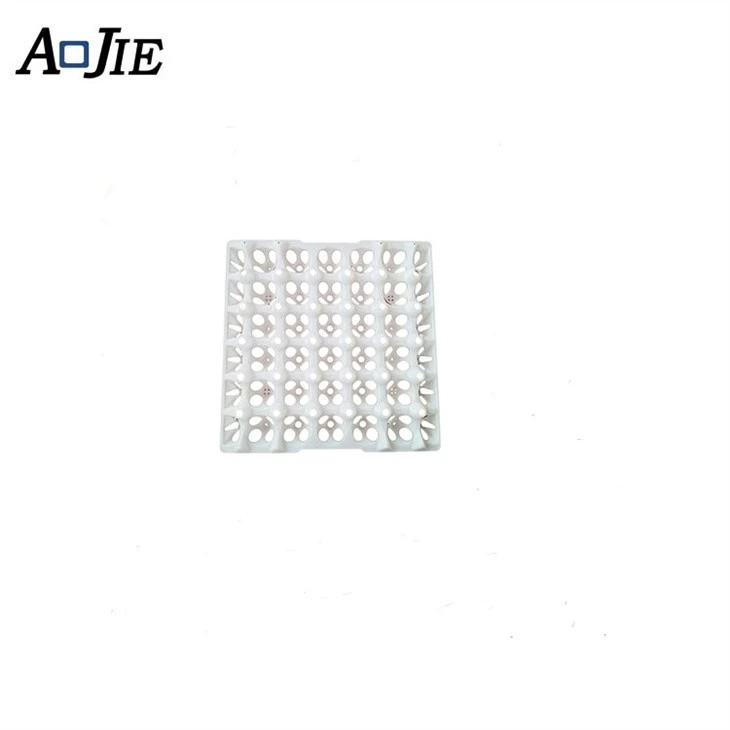
Wait, let’s circle back to the product examples, because that’s relatable. I mentioned earlier a plastic injection broom mold and a plastic injection dustbin mold. Let’s make that concrete: our broom mold is built for rigid PP plastic, no fillers, so it can handle high volume—most clients get 1-1.5 million cycles. Our dustbin molds, on the other hand, often use slightly filled PP to make the bin sturdier, so we recommend planning for 500k to 800k cycles. Then there’s plastic egg tray molds—those are usually made with aluminum, not steel, for faster heat transfer. Aluminum is lighter, cheaper, but it wears faster. A plastic egg tray mold might only last 200k to 500k cycles. The multi-egg tray ones are a bit bigger, so we build them with a slightly thicker aluminum, pushing that up to 400k to 600k cycles. That’s a big difference from the steel molds, so that’s why you always match the mold material to your product.
A lot of new business owners ask me if they should go for a “cheaper” mold to save money upfront. Let’s run the numbers real quick. If a good steel mold costs $5,000 and lasts 1 million cycles, that’s $0.005 per cycle. A cheap mold that costs $2,500 but only lasts 200k cycles is $0.0125 per cycle. Way more expensive in the long run. That’s why we always advise clients to prioritize quality over initial cost—especially for commodity items, which are all about low per-unit costs to stay competitive.
Another thing: storage. If your mold isn’t in use, how you store it matters. Don’t just leave it leaning against a wall or in a corner. Clean it, spray a light rust inhibitor, cover it with a protective sheet, and store it in a dry, temperature-controlled space. We had a client who stored his plastic injection bowel mold (yeah, those are the kitchen bowls you see everywhere) in a damp garage, and it rusted solid in three months. He had to replace it, which cost him three times what it would have cost to store it properly. Small steps, big impact.
What about if you’re looking to get the most out of your mold? Here’s our top tips from 10+ years in the business: First, work with a reputable supplier (that’s us, obviously) who builds molds with the right material for your product. Second, stick to a regular maintenance schedule—we send out a free maintenance guide with every mold we sell, so make sure you follow it. Third, track your cycle counts and note when you see the first signs of wear—catching it early makes repairs way easier. Fourth, if you have downtime, take that time to service the mold, not let it sit.
Wait, I should address a common misconception: people think commodity molds have to be cheap and disposable. No, not at all. The right mold, used and maintained properly, can last 5+ years, even with daily production. We have a client who’s been using the same plastic multi egg tray mold from us for 7 years now. He’s repaired it twice, and he’s still getting consistent, high-quality trays. That’s not a disposable product—that’s a long-term investment.
Now, when is it time to retire a mold? If repairs start costing more than half the price of a new mold, that’s your sign. Or if the product demand is going down, so it’s not worth fixing it anymore. For example, if a dustbin is being replaced by a newer design, you don’t wanna pour money into repairing an old mold for a product no one buys. But if demand is steady, repairs are almost always the better bet.
Let’s wrap this up with a quick recap, since I know there’s a lot here. The lifespan of a plastic commodity mold: average 500k to 2 million cycles. Depends on three big things: material quality (steel vs aluminum, grade), the product’s materials (fillers in plastic), and your maintenance routine. Cheaper molds save short-term but cost long-term. And repairs can extend a mold’s life way beyond its initial cycle count.
If you’re in the market for a reliable plastic commodity mold—whether it’s a broom mold, dustbin mold, egg tray mold, or bowel mold—we’ve got you. We don’t cut corners on materials, and we’ll walk you through maintenance to make sure your mold lasts as long as it should. Don’t guess—hit us up to chat about your specific product needs, and we can help you pick the right mold and setup for maximum lifespan.
References
- Plastics Injection Molding Association. (2022). "Mold Design and Lifespan Best Practices for Commodity Plastic Products." PIMA Industry Report.
- Tooling and Molding Magazine. (2021). "Factors Impacting Injection Mold Service Life for High-Volume Commodity Parts." Tooling Insights Quarterly.
- Global Commodity Plastics Council. (2023). "Material Selection and Wear Resistance for Injection Molds in Everyday Product Manufacturing." GCPC Technical Paper.