

Hey there! If you’re running a waste management business, a municipal facility, or even a manufacturing unit that uses plastic waste bins, you know how critical those molds are. I’m part of a team that’s been in the Waste Container Plastic Mold game for years, and one question we get all the time is: Can a damaged plastic waste bin mold be repaired, or do you have to toss it and start fresh?
Let me cut to the chase here—no corporate jargon, just the straight talk we use with our clients every day. The short answer is: It depends. But stick with me, because that “it depends” covers a lot of territory, and knowing the difference between repairable damage and a mold that’s done for can save you a ton of money and downtime.
First, let’s level-set on what these molds do. If you’re not in the manufacturing space, an injection mold (like the ones we build for Plastic Trash Can Injection Mould) is the steel tool that melts plastic resin into that perfectly shaped garbage can, round bin, or whatever you need. These molds take a beating—constant heat from molten plastic, pressure cycles, wear from repeated use, maybe even accidental bumps on the factory floor. So damage isn’t just possible; it’s inevitable over time.
Now, what kind of damage are we talking about? The fixable vs. unfixable stuff matters here. Small, surface-level issues? Those are usually no-brainers to repair. Think tiny scratches on the cavity where the plastic part forms, minor wear on the edges of the mold’s core, or even small dents that don’t affect the overall structure. We’ve fixed hundreds of molds with this kind of damage—most of the time, we do it right at our shop, no need to ship the mold across the country (or globe, for our international clients) for a full replacement.
Wait, but what if the damage is bigger? Like a crack in the mold’s base, a broken ejector pin (those little parts that push the finished bin out of the mold), or a warped section that throws off the entire shape? Even then, it might still be repairable—if the mold’s core structure is still solid. For example, a cracked big garbage can mold (you know, the Plastic Big Garbage Can Mold for those 1,000L bins) often just needs welding the crack, then re-machining the surface to get back the tight tolerances required. We use high-strength, mold-specific welding materials that won’t cause warping or weaken the steel over time. That way, the mold works just like new, without the cost of a brand-new tool.
But here’s the catch—there are limits. If the mold has massive structural damage, like a broken side wall that’s gone beyond repair, or if the original steel is so worn down that the entire cavity or core is too thin to machine, then replacement is the only option. Also, if the damage is from things like corrosion (if moisture got trapped inside the mold during storage) or improper cleaning (using harsh chemicals that eat away at the steel), that can make repair way harder, or even impossible.
Now, let’s talk about why you’d even consider repairing a mold instead of replacing it. For most of our clients, a new Trash Can Accessories Plastic Mould or main bin mold can cost tens of thousands of dollars. Repairing that same mold often cuts costs by 50-70% and takes way less time—usually a week or two, instead of 6-8 weeks for a new mold. And if your mold is relatively new (say, less than 5 years old), the steel quality is still good, so repair is way more reliable.
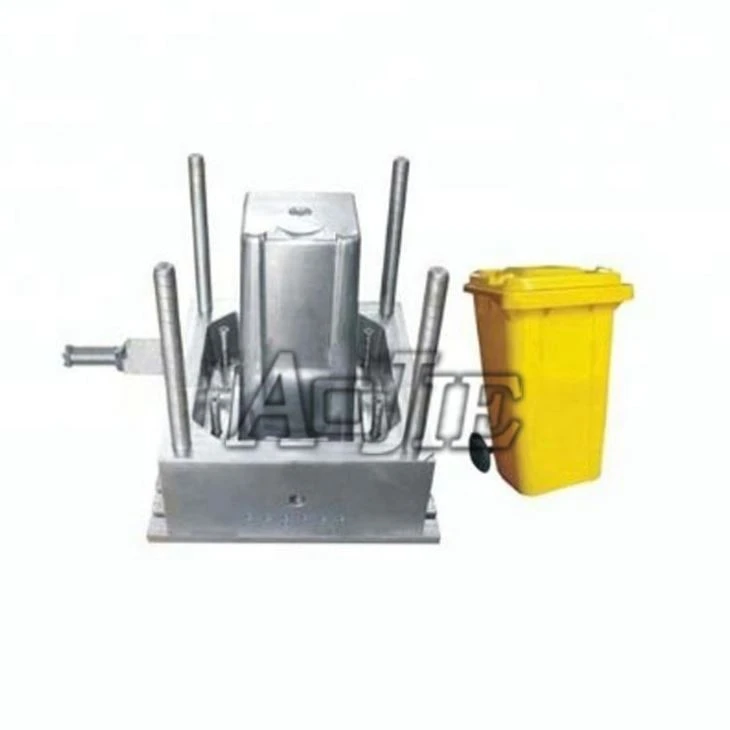

But wait, how do you know if your mold is repairable? That’s where our team comes in. We offer free mold assessment (no strings attached) for anyone who’s unsure. We can look at photos of the damage, or even have you ship the mold to us, and give you a clear yes/no, plus a cost estimate for repair. A lot of times, clients think their mold is a goner, but we get it back working perfectly.
I should also mention that prevention goes a long way. The best way to avoid costly damage is to do regular maintenance on your molds. Things like keeping the mold clean (no leftover plastic buildup, which can cause scratches), storing it in a dry, temperature-controlled space, and inspecting for wear every few months. We share these tips with all our clients, because a little upkeep can save you from having to repair or replace a mold down the line.
Let me give you a real example. A few months back, a client from a mid-sized city called us panicking. Their Plastic Round Waste Bin Mould had a crack along the bottom edge, and they thought they’d have to shut down production for 2 months waiting for a new mold. We took a look at the mold photos they sent, confirmed the structural core was still intact, fixed the crack, re-machined the edge, and had it back to them in 10 days. They didn’t lose any revenue, and they saved over $15,000 compared to a new mold. That’s the kind of win we’re here for.
Now, let’s clear up some myths. Some people think repairing a mold makes it weaker or less precise, but that’s only if you use the wrong materials or shoddy workmanship. We use CAD/CAM software to match the original mold’s dimensions exactly when we repair—so the finished bins come out just as well as they did with the new mold. We’ve had clients run repaired molds for another 5-7 years with zero issues, same as a brand-new one.
Another thing: if you have a custom mold (which a lot of our clients do for unique bin sizes or designs), repair is even more important. Making a new custom mold can be way more expensive and time-consuming than a standard one, so fixing a damaged custom mold is a no-brainer whenever possible.
So, to circle back to the original question: Can a plastic waste bin mould be repaired if it’s damaged? Most of the time, yes. Small surface damage, minor cracks, broken ejector pins—all fixable with the right expertise. The only times repair doesn’t make sense is when the structural integrity is gone, or the damage is so severe that replacement is cheaper (though that’s rare).
If you’re dealing with a damaged mold, or you’re looking to build a new one (for any type of waste bin—round, big, accessories, whatever), we’re here to help. We’ve been doing this long enough to know what works, and we don’t push unnecessary repairs or replacements—we just give you the honest truth on what will work best for your business.
Whether you need a quick repair assessment, a quote for a new mold, or just some tips to keep your current molds in shape, don’t hesitate to reach out. We’re always happy to chat, answer questions, and help you avoid costly headaches.
References
- American Injection Molding Association. (2022). Mold Repair Best Practices for Waste Container Manufacturing. Retrieved from aimanet.org
- Plastics Engineering Society. (2021). Structural Integrity of Injection Molds: Repair vs. Replacement Analysis. Retrieved from spe.org
- Municipal Solid Waste Management Association. (2023). Cost-Effective Strategies for Waste Bin Mold Maintenance. Retrieved from mswma.org