

Moulds play a crucial role in the manufacturing industry, serving as the blueprint for creating a vast array of products. As a dedicated supplier of Plastic Commodity Moulds, I've had the privilege of witnessing firsthand the unique characteristics and applications of these moulds compared to other types. In this blog post, I'll delve into the key differences between plastic commodity moulds and other moulds, shedding light on their distinct features, advantages, and limitations.
Material and Composition
One of the most fundamental differences between plastic commodity moulds and other types of moulds lies in the materials they are designed to work with. Plastic commodity moulds are specifically engineered to shape plastic materials, which come in a wide variety of forms, including thermoplastics, thermosetting plastics, and elastomers. These materials offer unique properties such as flexibility, durability, and chemical resistance, making them ideal for a diverse range of consumer products.
In contrast, other types of moulds may be used for different materials such as metal, ceramic, or glass. Metal moulds, for example, are commonly used in the automotive and aerospace industries to produce parts with high strength and precision. Ceramic moulds are often used in the production of pottery and other decorative items, while glass moulds are used to create glassware and optical components.
Manufacturing Process
The manufacturing process for plastic commodity moulds also differs from that of other types of moulds. Plastic commodity moulds are typically produced using injection moulding, a process in which molten plastic is injected into a mould cavity under high pressure. This process allows for the production of complex shapes with high precision and repeatability, making it ideal for mass-producing plastic products.
Other types of moulds may be produced using different manufacturing processes, such as casting, forging, or machining. Casting involves pouring molten material into a mould cavity and allowing it to solidify, while forging involves shaping metal by applying pressure. Machining, on the other hand, involves removing material from a solid block using cutting tools to create the desired shape.

Design and Complexity
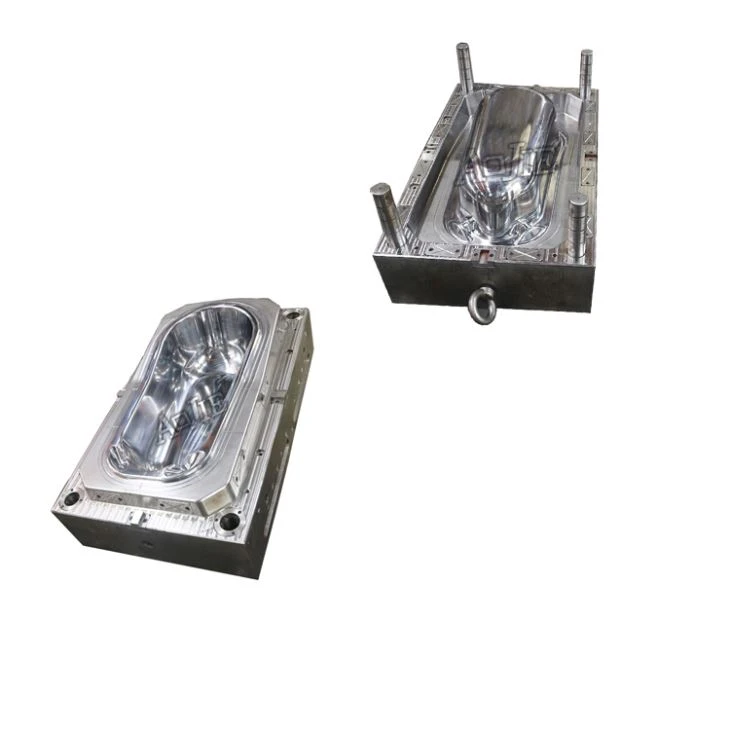
Plastic commodity moulds are often designed to produce products with complex shapes and intricate details. This is because plastic materials can be easily molded into a variety of shapes, allowing for the creation of products with unique designs and features. For example, a Plastic Injection Broom Mould can be designed to produce brooms with different bristle patterns and handle shapes, while a Newborn Bath Seat Mould can be designed to provide a comfortable and safe seating position for infants.
In contrast, other types of moulds may be designed for simpler shapes and less complex products. Metal moulds, for example, are often used to produce parts with simple geometries, such as gears, shafts, and brackets. Ceramic moulds are typically used to produce products with basic shapes, such as bowls, plates, and vases.
Cost and Production Volume
The cost and production volume of plastic commodity moulds also differ from that of other types of moulds. Plastic commodity moulds are generally less expensive to produce than other types of moulds, especially for high-volume production runs. This is because the injection moulding process allows for the rapid production of large quantities of parts with minimal labor and material costs.
Other types of moulds may be more expensive to produce, especially for low-volume production runs. Metal moulds, for example, require specialized equipment and skilled labor to produce, which can increase the cost of production. Ceramic moulds may also be expensive to produce, especially if they require complex designs or high-quality materials.
Applications
Plastic commodity moulds are used in a wide range of applications, including consumer products, packaging, automotive, and electronics. Consumer products such as toys, household items, and personal care products are often produced using plastic commodity moulds. Packaging materials such as bottles, containers, and trays are also commonly produced using plastic commodity moulds.
Other types of moulds are used in different applications depending on the material they are designed to work with. Metal moulds are used in the automotive, aerospace, and manufacturing industries to produce parts with high strength and precision. Ceramic moulds are used in the production of pottery, tiles, and other decorative items. Glass moulds are used to create glassware, optical components, and other products.
Advantages and Limitations
Plastic commodity moulds offer several advantages over other types of moulds. They are relatively inexpensive to produce, especially for high-volume production runs. They also allow for the production of complex shapes and intricate details with high precision and repeatability. Additionally, plastic materials offer a wide range of properties, such as flexibility, durability, and chemical resistance, making them suitable for a diverse range of applications.
However, plastic commodity moulds also have some limitations. They may not be suitable for applications that require high strength or heat resistance. Plastic materials may also be prone to environmental degradation, such as UV radiation and chemical exposure. Additionally, the production of plastic products can have a negative impact on the environment, as plastic waste can take hundreds of years to decompose.
Conclusion
In conclusion, plastic commodity moulds differ from other types of moulds in several key ways, including the materials they are designed to work with, the manufacturing process, the design and complexity, the cost and production volume, and the applications. As a supplier of Plastic Commodity Moulds, I understand the unique requirements and challenges of producing high-quality plastic products. Whether you're looking for a Plastic Injection Broom Mould, a Newborn Bath Seat Mould, or a Plastic Egg Tray Mould, I can provide you with the expertise and solutions you need to bring your product to life.
If you're interested in learning more about our Plastic Commodity Moulds or would like to discuss your specific requirements, please don't hesitate to contact us. We look forward to the opportunity to work with you and help you achieve your manufacturing goals.
References
- "Injection Molding: The Definitive Guide." PlasticsToday, 2023.
- "Moulding Processes: Types, Advantages, and Disadvantages." Engineering Choice, 2023.
- "Plastic Materials: Properties and Applications." Plastics Europe, 2023.