

Hey there! As a supplier of Plastic Houseware Mould, I've seen firsthand how important it is to store these molds properly. A well - stored mold not only lasts longer but also ensures the quality of the plastic houseware products it produces. So, let's dive into what I think is the best way to store a plastic houseware mould.
1. Cleanliness is Key
Before storing any plastic houseware mould, you gotta make sure it's clean. Residues from the plastic injection process, like leftover plastic bits or lubricants, can cause corrosion and damage over time. I always recommend a thorough cleaning right after the last production run.
Use a mild detergent and warm water to clean the mold. Avoid using abrasive materials that could scratch the surface. After cleaning, dry the mold completely. Any moisture left on the mold can lead to rust, especially if the mold is made of metal. You can use compressed air to blow out any water from the small crevices and then let it air - dry in a well - ventilated area.
2. Choose the Right Storage Location
The location where you store your plastic houseware moulds matters a lot. First of all, it should be a dry place. High humidity can cause rust and other forms of corrosion. I've seen molds that were stored in damp basements turn into a mess within a few months.
A temperature - controlled environment is also ideal. Extreme temperatures can cause the mold to expand or contract, which might lead to warping. Aim for a storage area with a relatively stable temperature, around 20 - 25 degrees Celsius.
Another thing to consider is protection from dust and debris. You don't want dirt getting into the mold cavities. You can use covers or store the molds in sealed containers. If you're storing multiple molds, make sure they're not stacked on top of each other in a way that could damage the surfaces.
3. Proper Support and Positioning
When storing a plastic houseware mould, it's crucial to provide proper support. Molds are heavy, and if they're not supported correctly, they can warp. Use sturdy racks or pallets to store the molds. Make sure the racks are level so that the molds rest evenly.
The positioning of the mold also matters. For example, if the mold has delicate parts or protrusions, make sure they're not being crushed or damaged. If possible, store the mold in the same position as it's used in the injection - molding machine. This helps maintain its shape and integrity.
4. Lubrication
Lubrication is an important step in mold storage. A thin layer of lubricant can protect the mold from corrosion and make it easier to use when you take it out of storage. There are special mold lubricants available in the market. Apply the lubricant evenly on all the surfaces of the mold, especially the moving parts.
However, don't over - lubricate. Too much lubricant can attract dust and dirt, which is counterproductive. Just a light coating is enough to provide protection.
5. Documentation
Keeping proper documentation is often overlooked but is super important. Label each mold with its type, size, and the date of storage. This makes it easier to find the right mold when you need it and also helps you keep track of how long it's been in storage.
You can also keep a log of the maintenance and cleaning history of each mold. This information can be useful in case there are any issues with the mold in the future.
6. Regular Inspections
Even when the molds are in storage, it's a good idea to do regular inspections. Check for any signs of corrosion, damage, or wear. If you notice any problems early, you can take steps to fix them before they get worse.
Inspections can be done monthly or quarterly, depending on how long the molds are likely to be in storage. During the inspection, clean the mold again if necessary and re - apply lubricant if the old one has worn off.
Now, let me tell you about some of the plastic houseware molds we offer. We have a Portable Household Kettle Plastic Mould that's designed to produce high - quality kettles. It's made with precision and can withstand multiple injection - molding cycles.
Our Plastic Injection Drawer Mold is another great option. It's suitable for making drawers of different sizes and designs. The mold is durable and can produce drawers with smooth surfaces and accurate dimensions.
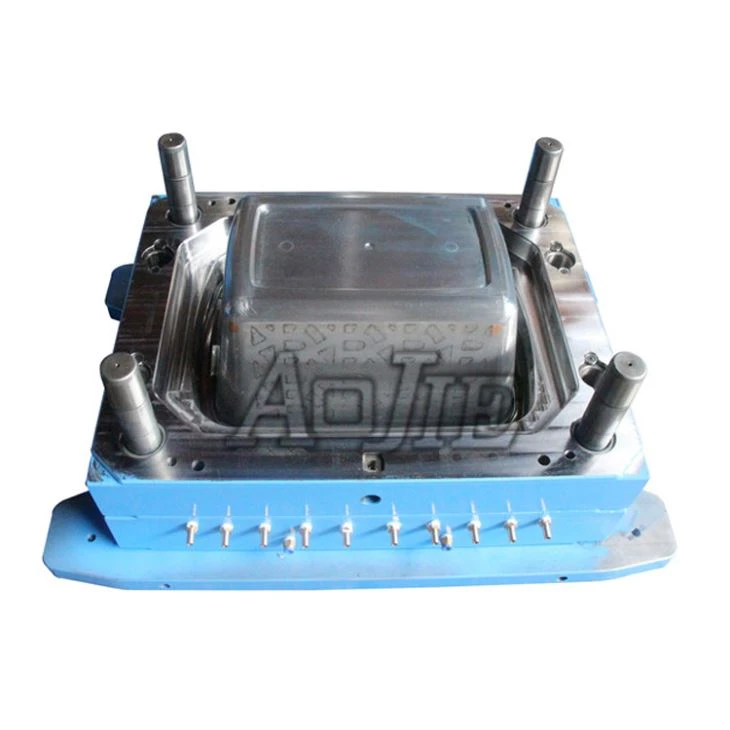

And if you're looking for a mold to make baskets, our Plastic Injection Basket Mold is a top - notch choice. It allows for efficient production of baskets with various shapes and sizes.
If you're in the market for plastic houseware molds, I encourage you to get in touch with us. We're always happy to discuss your specific requirements and help you find the right mold for your business. Whether you're a small - scale producer or a large - scale manufacturer, we have the expertise and the products to meet your needs.
References
- "Mold Maintenance and Storage Best Practices" - Industry publication on plastic injection molding.
- "Guide to Plastic Houseware Mold Care" - A handbook for mold suppliers and users.