

Hey there! As a supplier of Plastic Beer Crate Moulds, I've seen my fair share of issues that can crop up with these moulds. In this blog, I'm gonna talk about some of the common problems you might face when dealing with plastic beer crate moulds.
1. Surface Defects
One of the most common problems is surface defects on the beer crates produced by the mould. These can include things like scratches, pits, and uneven surfaces. Scratches can occur during the ejection process if the mould isn't properly designed or if there's too much friction between the crate and the mould. Pits and uneven surfaces can be caused by issues with the cooling system in the mould. If the cooling is uneven, some parts of the crate might cool faster than others, leading to these surface imperfections.
For example, if the cooling channels in the mould are blocked or not properly sized, the plastic won't cool evenly, and you'll end up with a crate that has a bumpy or pitted surface. This can be a real problem because it affects the appearance of the crate and can also reduce its strength.
2. Warping
Warping is another big issue. When a plastic beer crate warps, it doesn't fit properly on shelves or in storage areas. This can be a major headache for breweries and distributors. Warping usually happens because of uneven cooling or improper packing of the plastic in the mould.
If the plastic isn't packed tightly enough in the mould, it can shrink unevenly as it cools, causing the crate to warp. Also, if the mould is heated unevenly during the injection process, it can lead to warping. For instance, if one side of the mould is hotter than the other, the plastic on that side will cool differently, and the crate will end up warped.
3. Flash
Flash is excess plastic that gets squeezed out around the edges of the mould during the injection process. It's a common problem and can be caused by a few different things. One of the main causes is a worn-out or poorly designed mould. If the mould isn't sealed properly, plastic can leak out and form flash.
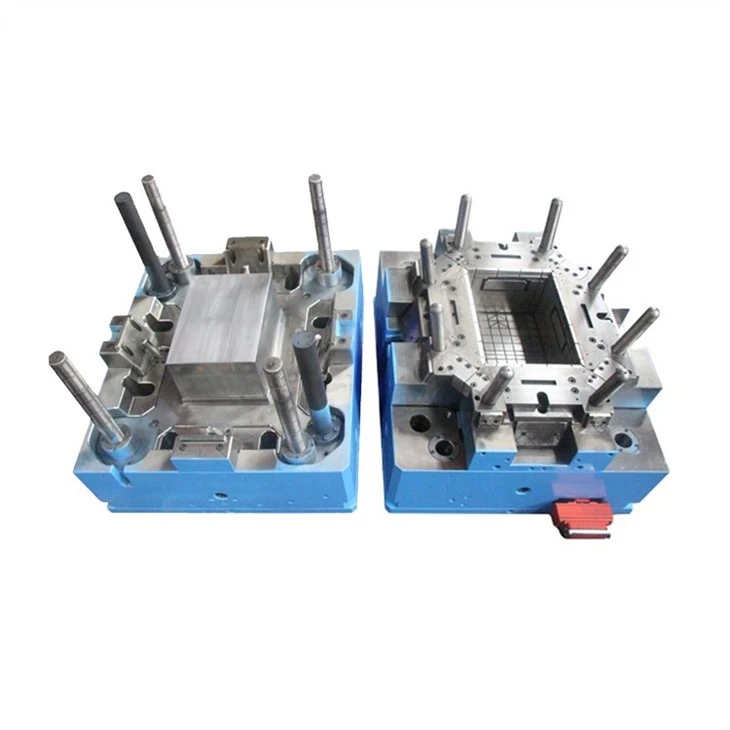

Another cause can be too much pressure during the injection process. If the pressure is too high, the plastic will be forced out of the mould's seams. Flash not only looks bad but can also be a safety hazard. It can be sharp and cause cuts if not removed properly.
4. Short Shots
Short shots occur when the plastic doesn't fill the entire mould cavity. This can result in an incomplete beer crate. There are several reasons for short shots. One is insufficient plastic material being injected into the mould. If the injection machine isn't calibrated correctly, it might not deliver enough plastic to fill the mould.
Another reason could be a blocked or restricted flow path in the mould. If the runners or gates in the mould are too small or clogged, the plastic won't be able to flow freely and fill the entire cavity. Short shots can be a real pain because they mean you end up with defective crates that need to be scrapped.
5. Ejection Problems
Getting the beer crates out of the mould can sometimes be a challenge. Ejection problems can occur if the mould isn't designed with proper ejection mechanisms. If the crate sticks to the mould, it can be difficult to remove without damaging the crate or the mould.
This can be caused by a few factors. One is a lack of proper lubrication in the mould. If the mould isn't lubricated, the plastic can adhere to the surface, making it hard to eject. Another factor can be the shape of the crate. If the crate has undercuts or complex shapes, it can be more difficult to eject.
Solutions to These Problems
Now that we've talked about the common problems, let's discuss some solutions. For surface defects, make sure the mould is properly maintained. Regularly clean the mould and check for any signs of wear or damage. If the cooling system is the issue, make sure the cooling channels are clear and that the cooling is evenly distributed.
To prevent warping, ensure that the plastic is packed evenly in the mould and that the mould is heated and cooled uniformly. You can also adjust the injection pressure and speed to help with proper packing.
For flash, check the mould for any signs of wear or damage and replace any worn parts. Make sure the mould is properly sealed and that the injection pressure is set correctly.
To avoid short shots, calibrate the injection machine to ensure the right amount of plastic is being injected. Also, check the runners and gates in the mould to make sure they're clear and of the right size.
For ejection problems, use proper lubrication in the mould and design the mould with appropriate ejection mechanisms. If the crate has complex shapes, consider using a more advanced ejection system.
Related Moulds
If you're interested in other types of plastic crate moulds, we also offer Fruits Crate Plastic Mould and Plastic Industrial Crate Mould. You can also check out our Crate Plastic Injection Mould for more options.
Let's Connect
If you're facing any of these problems with your plastic beer crate moulds or if you're looking to purchase new moulds, don't hesitate to reach out. We're here to help you find the best solutions for your needs. Whether it's troubleshooting existing moulds or getting a custom-made mould, we've got you covered.
References
- Injection Molding Handbook, by Rosato, Rosato, and Schut
- Plastics Processing: Principles and Modeling, by Osswald and Turng