

Hey there! I'm a supplier of Plastic Houseware Moulds, and today I wanna chat about whether a plastic houseware mould can be used for thin - walled products.
First off, let's understand what thin - walled products are. Thin - walled plastic products are those with a relatively small wall thickness compared to their overall size. These can range from plastic containers, to some parts of household appliances, and even small decorative items. They're often in high demand because they're lightweight, use less material, and can be cost - effective to produce.
Now, can our plastic houseware moulds handle these thin - walled wonders? Well, the answer is a bit of a yes and no, and it depends on several factors.
Mould Design
The design of the mould is super crucial. For thin - walled products, the mould needs to have a precise and well - thought - out design. The flow channels in the mould, also known as runners and gates, need to be carefully engineered. If the channels are too narrow, the molten plastic might not flow smoothly into all parts of the mould, leading to incomplete filling of the thin - walled sections. On the other hand, if they're too wide, it can cause issues like excessive plastic waste and uneven cooling.
As a Plastic Houseware Mould supplier, we've put a lot of effort into optimizing our mould designs. Our team of designers uses advanced software to simulate the plastic flow during the injection process. This helps us to make sure that the mould is designed in a way that the molten plastic can reach every nook and cranny of the thin - walled product. For example, in our Plastic Injection Drawer Mold, we've fine - tuned the runner system to ensure a consistent flow of plastic, which is essential for creating thin - walled drawers with uniform thickness.
Material and Cooling
The type of plastic material used also plays a huge role. Some plastics have better flow properties than others. For thin - walled products, we usually recommend materials with high fluidity. These materials can easily flow through the narrow spaces in the mould, making it easier to form the thin walls.
Cooling is another important aspect. Since thin - walled products cool down faster than thicker ones, the cooling system in the mould needs to be efficient. If the cooling is uneven, it can cause warping or shrinkage in the final product. We've developed special cooling systems for our moulds, like the ones in our Plastic Injection Chair Mould. These systems use a network of cooling channels that are strategically placed to ensure rapid and uniform cooling, which is vital for producing high - quality thin - walled chair parts.

Injection Molding Process
The injection molding process itself needs to be carefully controlled when making thin - walled products. The injection speed, pressure, and temperature all need to be set just right. If the injection speed is too slow, the plastic might start to cool before it fills the entire mould, resulting in a defective product. But if it's too fast, it can cause air bubbles or other defects.
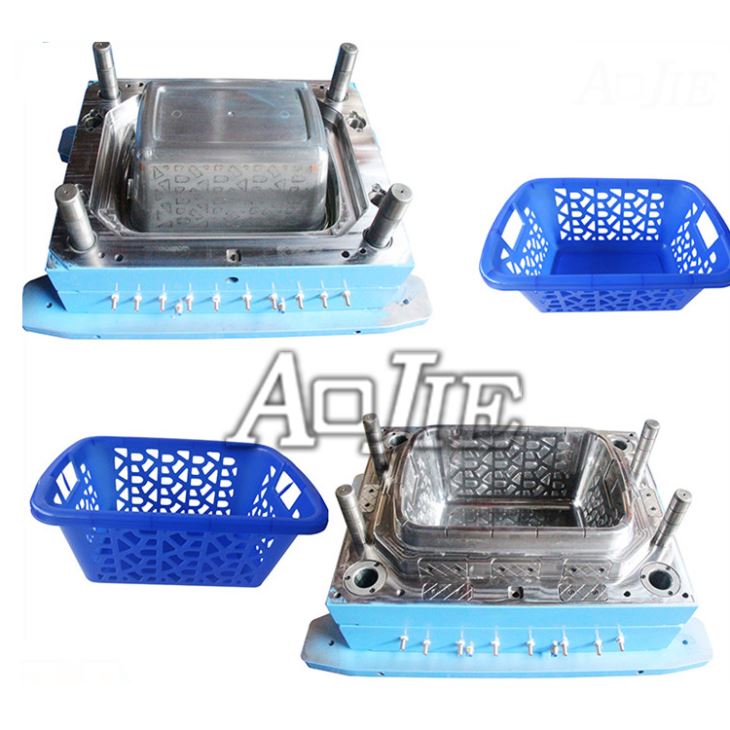
At our company, we've got experienced technicians who know how to adjust these parameters for different thin - walled products. They monitor the process closely to ensure that everything goes smoothly. For instance, when using our Plastic Injection Basket Mold to make thin - walled baskets, we adjust the injection pressure based on the size and shape of the basket to get a perfect finish.
Advantages of Using Plastic Houseware Moulds for Thin - Walled Products
There are some great advantages to using our plastic houseware moulds for thin - walled products. First of all, we can produce these products in large quantities. Our moulds are designed for high - volume production, which means you can get a large number of thin - walled products in a relatively short time.
Secondly, the quality of the products is consistent. Thanks to our precise mould designs and strict quality control measures, each thin - walled product that comes out of our moulds is almost identical to the next one. This is really important for customers who need a reliable supply of high - quality products.
Challenges and Limitations
Of course, there are also some challenges. One of the main challenges is the risk of part failure. Thin - walled products are more fragile, and if there are any defects in the mould or the injection process, the product might break easily. We're constantly working on reducing this risk by improving our mould designs and process control.
Another limitation is the complexity of some thin - walled products. Some products have very intricate shapes or features, which can be difficult to replicate accurately in a mould. But we're always up for a challenge, and our R & D team is constantly exploring new techniques to overcome these difficulties.
Conclusion
So, to sum it up, a plastic houseware mould can definitely be used for thin - walled products, but it requires careful consideration of factors like mould design, material selection, cooling, and the injection molding process. As a Plastic Houseware Mould supplier, we've got the expertise and experience to handle these challenges and produce high - quality thin - walled products.
If you're in the market for plastic houseware moulds for thin - walled products, or if you have any questions about our products, don't hesitate to reach out. We're here to help you with all your moulding needs and can provide you with customized solutions. Let's have a chat and see how we can work together to bring your thin - walled product ideas to life.
References
- Throne, J. L. (1996). Plastics Injection Molding: Theory and Practice. Marcel Dekker.
- Rosato, D. V., & Rosato, D. V. (2000). Injection Molding Handbook. Kluwer Academic Publishers.