

When it comes to plastic table moulds, one crucial aspect that often goes under the radar but is of utmost significance is their fire resistance. As a dedicated supplier of plastic table moulds, I understand the importance of this property not only for the safety of end - users but also for the longevity and performance of the moulds themselves.
Fire resistance refers to the ability of a material or product to withstand fire or slow down the spread of flames. In the context of plastic table moulds, it's a multi - faceted concept that involves several factors. To delve into this topic, we first need to understand the common materials used in plastic table moulds.
Most plastic table moulds are made from thermoplastics such as polypropylene (PP), polyethylene (PE), and acrylonitrile butadiene styrene (ABS). These materials have distinct characteristics, and their fire resistance varies significantly. Polypropylene, for instance, is known for its good chemical resistance and flexibility. However, it is highly flammable. Once exposed to a flame, it can ignite quickly and spread the fire rapidly. The melting point of polypropylene is around 160 - 170°C, and when heated to this temperature, it will start to drip, which can further spread the fire.

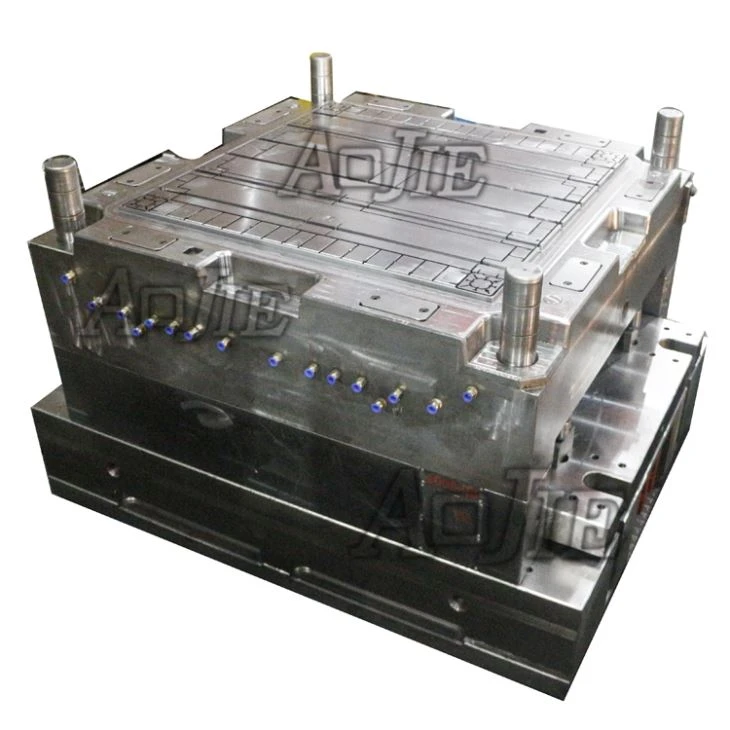
On the other hand, ABS has better mechanical properties and a higher heat resistance compared to polypropylene. Its heat deflection temperature is in the range of 85 - 105°C. While ABS is also flammable, it is less likely to spread fire as quickly as polypropylene due to its higher melting and softening points. But if the fire source is intense enough, ABS will eventually catch fire and burn.
Polyethylene is another commonly used plastic. There are different types of polyethylene, such as high - density polyethylene (HDPE) and low - density polyethylene (LDPE). HDPE has a relatively high melting point of around 120 - 130°C and is more rigid, while LDPE has a lower melting point and is more flexible. Both types are flammable, and their fire behavior is similar to that of polypropylene, with the potential to melt and drip under fire conditions.
To enhance the fire resistance of plastic table moulds, various additives can be used. One of the most common types is flame retardants. These additives work in different ways. Some act as a barrier, forming a char layer on the surface of the plastic when exposed to fire. This char layer can insulate the underlying plastic from the heat source, reducing the rate of heat transfer and slowing down the combustion process. For example, halogen - based flame retardants have been widely used in the past. They release halogen radicals when heated, which can react with the free radicals involved in the combustion process, thereby suppressing the fire. However, halogen - based flame retardants have raised environmental and health concerns in recent years, leading to a growing trend towards the use of halogen - free alternatives.
Another group of flame retardants are inorganic compounds such as magnesium hydroxide and aluminium hydroxide. These materials decompose endothermically when heated, absorbing heat from the fire and releasing water vapor. The water vapor dilutes the oxygen concentration around the fire, making it more difficult for the fire to sustain. In addition, the metal oxides formed during decomposition can contribute to the formation of a protective char layer.
In the real - world application of plastic table moulds, fire resistance is a key consideration in many scenarios. For example, in commercial settings such as restaurants, cafes, and banquet halls, plastic tables made from moulds need to meet certain fire safety standards. These standards may vary from region to region, but generally, they require the table to have a certain level of fire resistance to prevent the rapid spread of fire in case of an accident. Similarly, in public facilities like schools, libraries, and hospitals, fire - resistant plastic table moulds are essential for ensuring the safety of the occupants.
As a supplier of plastic table moulds, we offer a wide range of products to meet different customer needs. For those looking for square table moulds, our Plastic Square Table Mould provides a stable and functional option. The design of the mould allows for the production of high - quality square plastic tables with consistent dimensions and excellent surface finish.
If you prefer round tables, our Plastic Round Table Mould is an ideal choice. The round shape is often more suitable for creating a cozy and inclusive atmosphere, and our mould can produce round tables that are both stylish and durable.
For more flexible table configurations, our Plastic Adjustable Table Mould is available. This mould enables the production of tables with adjustable heights or other customizable features, which can be particularly useful in various settings such as offices, study areas, and workshops.
In addition to the main table body, we also offer related components. The Plastic Table Leg Connector Injection Mould is designed to produce reliable connectors that ensure the stability of the table legs. And the Plastic Table Leg Cover Plastic Injection Mould can be used to create aesthetically pleasing leg covers that protect the table legs and enhance the overall appearance of the table.
We understand that different customers may have different requirements for fire resistance. Whether you need a basic plastic table mould or a custom - designed one with enhanced fire - resistant properties, we are here to help. Our team of experts can work closely with you to determine the most suitable materials and additives for your specific needs. We can also conduct fire - resistance tests to ensure that our products meet the required standards.
If you are in the market for high - quality plastic table moulds and are interested in learning more about their fire resistance or other features, please feel free to reach out to us. By engaging in a procurement discussion, we can find the best solutions for your project together.
References
[1] Bilgili, E., & Karakoc, A. (2017). Flame retardant and thermal properties of polypropylene/halloysite nanotube composites containing magnesium hydroxide. Polymer Degradation and Stability, 141, 22 - 30.
[2] Shen, L., & Liu, Y. (2015). Metal hydroxide flame retardants: A review. Journal of Analytical and Applied Pyrolysis, 113, 1 - 14.
[3] Wilkie, C. A. (2005). Flame retardancy of plastics. Advances in Polymer Science, 192, 137 - 211.