

In the manufacturing process of plastic crates, the ejection system of a plastic crate mould plays a pivotal role. As a professional Plastic Crate Mould supplier, we understand the significance of a well - designed ejection system in ensuring efficient and high - quality production. In this blog, we will delve into what the ejection system of a plastic crate mould is, its importance, types, and other related aspects.
What is the Ejection System of a Plastic Crate Mould?
The ejection system of a plastic crate mould is a crucial component that serves to remove the finished plastic crate from the mould cavity once the injection - molding process is complete. During the injection - molding process, molten plastic is injected into the mould cavity, where it cools and solidifies to take the shape of the plastic crate. Once the plastic has solidified enough to retain its shape, the ejection system is activated to push the crate out of the mould so that the next cycle of production can begin.
Why is the Ejection System Important?
The efficiency and effectiveness of the ejection system directly impact the overall production process of plastic crates. Here are some key reasons why it is so important:
- Production Efficiency: A well - designed ejection system can quickly and smoothly eject the plastic crate from the mould, reducing the cycle time between successive production cycles. This means that more plastic crates can be produced in a given period, increasing the productivity of the manufacturing process.
- Product Quality: If the ejection process is not smooth, it can cause damage to the plastic crate, such as deformation, scratches, or breakage. A proper ejection system ensures that the crate is removed from the mould without any damage, maintaining the high quality of the final product.
- Mould Longevity: Incorrect ejection can also cause excessive stress on the mould itself. A good ejection system distributes the ejection force evenly, reducing wear and tear on the mould and extending its lifespan.
Types of Ejection Systems in Plastic Crate Moulds
There are several types of ejection systems used in plastic crate moulds, each with its own advantages and suitable applications.
Ejector Pins
Ejector pins are one of the most commonly used ejection methods in plastic crate moulds. These are straight pins that are located in the ejector plate of the mould. When the ejection mechanism is activated, the ejector plate moves, and the pins push against the plastic crate, forcing it out of the mould cavity. Ejector pins are relatively simple in design and easy to manufacture, making them a cost - effective option. However, they can leave small marks on the surface of the plastic crate, which may not be acceptable for some high - end applications.
Ejector Sleeves
Ejector sleeves are used when there are holes or bosses in the plastic crate. They work in a similar way to ejector pins but are designed to fit around the holes or bosses. The sleeve moves along with the ejector plate and pushes the plastic around the hole or boss, ensuring that the part is ejected smoothly without causing any damage to the structure. Ejector sleeves are more precise than ejector pins but are also more complex and expensive to manufacture.
Stripper Plates
Stripper plates are used for moulds with complex geometries or large - area cavities. The stripper plate is a flat plate that moves across the face of the mould cavity and strips the plastic crate off the core of the mould. This method is suitable for crates with a large surface area or when a uniform ejection force is required over a large area. Stripper plates can provide a smooth ejection without leaving any marks on the product surface.
Considerations in Designing the Ejection System
When designing the ejection system for a plastic crate mould, several factors need to be considered:
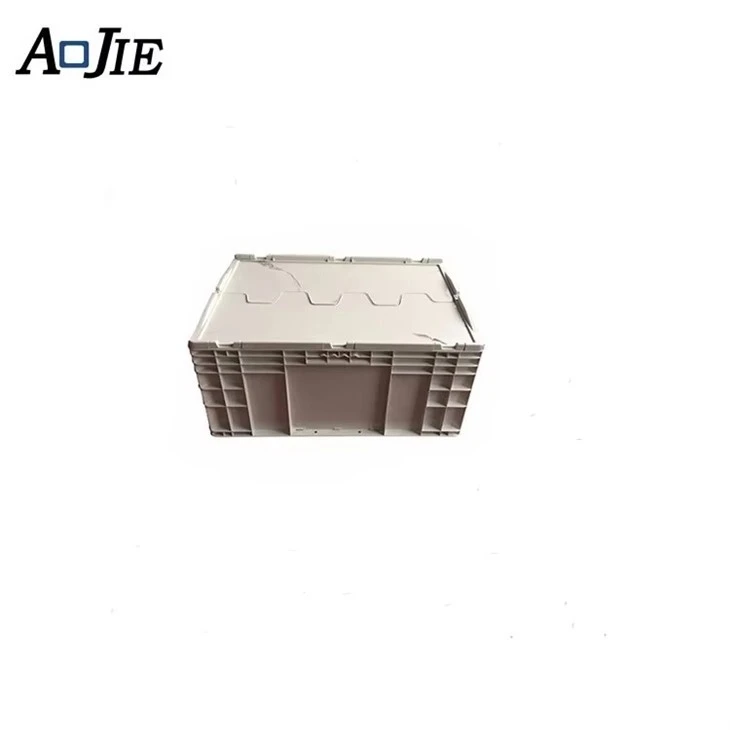

- Crate Geometry: The shape and size of the plastic crate determine the type and number of ejection elements required. For example, a crate with a lot of undercuts may require a more complex ejection system, such as a side - action ejection mechanism.
- Plastic Material: Different plastic materials have different shrinkage rates and adhesion properties to the mould. The design of the ejection system should take these factors into account to ensure proper ejection. For example, some plastics may stick more easily to the mould, requiring a stronger ejection force or a different ejection method.
- Ejection Force: Calculating the correct ejection force is crucial. If the ejection force is too low, the plastic crate may not be ejected from the mould properly. On the other hand, if the ejection force is too high, it can cause damage to the crate or the mould.
Our Offerings as a Plastic Crate Mould Supplier
As a Plastic Crate Mould supplier, we are committed to providing high - quality moulds with well - designed ejection systems. Our Plastic Beer Crate Mould is designed to meet the specific requirements of the beer packaging industry. The ejection system in these moulds is engineered to ensure that the beer crates are ejected smoothly and without any damage, maintaining the integrity of the product during the production process.
Our Plastic Meat Crate Mould is another example of our expertise. The ejection system in these moulds is optimized for the production of meat crates, which often have specific hygiene and structural requirements. We use high - quality materials and advanced design techniques to ensure that the ejection process is efficient and the final product meets the strict standards of the meat industry.
In addition, our Plastic Crate Injection Mold provides a comprehensive solution for the injection - molding of various plastic crates. The ejection system is designed to work in harmony with the overall mould design, ensuring high - precision production and consistent quality.
We also offer Plastic Oem Big Crate Customized Mould services. For large - sized plastic crates, the ejection system design becomes even more critical. Our team of experts can customize the ejection system according to the specific dimensions and requirements of the big crates, ensuring smooth ejection and high - quality production.
Moreover, our Plastic Crate Injection Molding Service Moulds Manufacturer Storage Turnover Box Recyclable Container provides not only the moulds but also the injection - molding service. We have a deep understanding of the entire production process, from mould design to the final product, and can ensure that the ejection system works perfectly in the overall manufacturing process.
Contact Us for Your Plastic Crate Mould Needs
If you are in the market for high - quality plastic crate moulds with efficient ejection systems, we invite you to contact us for procurement discussions. Our team of experts is ready to provide you with detailed information, customized solutions, and competitive pricing. Whether you need a standard plastic crate mould or a customized one, we have the experience and expertise to meet your requirements.
References
- Throne, J. L. (1996). Plastics Process Engineering. Hanser Publishers.
- Rosato, D. V., & Rosato, D. V. (2001). Injection Molding Handbook. Wiley - Interscience.
- Gupta, A. (2011). Fundamentals of Plastic Processing. CRC Press.