

Storing a plastic pallet mould properly when it's not in use is crucial for its longevity, performance, and cost - effectiveness. As a supplier of Plastic Pallet Mould, I understand the significance of correct storage, and in this blog, I'll share some professional tips on how to do it right.
1. Pre - storage Cleaning and Inspection
Before storing the plastic pallet mould, a thorough cleaning is the first step. The mould is likely to have residues from the plastic injection process, such as plastic particles, lubricants, and release agents. Use appropriate cleaning agents that are specifically designed for plastic moulds. For example, mild solvents can be used to dissolve stubborn plastic residues, but make sure they are compatible with the mould material.
After cleaning, conduct a detailed inspection. Check for any signs of wear, corrosion, or damage. Look at the edges, cavities, and cooling channels. Minor damages, like scratches, can be repaired before storage to prevent further deterioration. If there are any issues with the cooling channels, such as blockages, clean them out using specialized tools or chemicals. An inspection also helps in identifying any potential areas that might need maintenance in the future.
2. Selecting the Right Storage Environment
The storage environment plays a key role in preserving the quality of the plastic pallet mould.
Temperature and Humidity Control: The ideal storage temperature should be relatively stable, preferably between 10°C - 30°C. Extreme temperatures can cause the mould material to expand or contract, which may lead to warping or cracking over time. High humidity is also a major enemy of plastic pallet moulds as it can cause corrosion, especially if the mould has metal parts. Desiccants can be placed in the storage area to absorb excess moisture, and dehumidifiers can be used in large storage facilities.
Dust and Pollution: The storage area should be clean and free from dust and other pollutants. Dust can accumulate on the mould surface and in the cavities, which might affect the quality of the pallets during the next production run. Use dust - covers to protect the moulds when they are not in use. If possible, the storage area should be located away from sources of pollution like industrial chimneys or construction sites.
Ventilation: Good ventilation is essential to prevent the build - up of fumes or odors that may have an adverse effect on the mould. It also helps in maintaining a stable humidity and temperature level. However, make sure that the ventilation does not introduce excessive dust or contaminants.
3. Storage Position and Support
The way the plastic pallet mould is positioned during storage can significantly impact its condition.
Horizontal or Vertical?
- Horizontal Storage: For smaller plastic pallet moulds, horizontal storage is often a good option. It provides a stable base and reduces the risk of the mould toppling over. Place the mould on a flat and sturdy surface, and make sure it is evenly supported to prevent warping.
- Vertical Storage: Larger moulds can sometimes be stored vertically to save space. However, proper support is crucial. Use specialized racks or stands that are designed to hold the mould securely. The vertical storage should be arranged in a way that the mould's weight is evenly distributed to avoid stress on specific areas.
Supporting Materials: Use soft but firm materials to support the mould. Avoid using materials that can scratch the mould surface, such as rough wood or metal. Rubber pads or foam can be placed between the mould and the storage surface or support structure.
4. Protection and Preservation
Applying protective coatings is an effective way to preserve the plastic pallet mould during storage.
Rust - Inhibiting Coatings: If the mould has metal components, a rust - inhibiting coating can prevent corrosion. There are various types of rust - inhibiting spray paints or oils available on the market. Before applying the coating, make sure the mould surface is clean and dry. Follow the manufacturer's instructions for the best results.
Anti - Oxidation Treatments: For plastic parts of the mould, anti - oxidation treatments can be used to prevent discoloration and degradation. These treatments form a protective layer on the plastic surface, shielding it from environmental factors.
Sealing and Packaging: For long - term storage, consider sealing the mould in a plastic bag or other air - tight packaging. This helps in further protecting the mould from dust, moisture, and oxygen. Silica gel packs can be placed inside the packaging to absorb any remaining moisture.
5. Documentation and Monitoring
Maintaining proper documentation is essential for managing the storage of plastic pallet moulds.
Recording Storage Information: Keep a record of when the mould was stored, the condition it was in at the time of storage, any maintenance or repairs carried out before storage, and the expected storage duration. This information can be useful for planning future production runs and for scheduling maintenance.
Regular Monitoring: Even during storage, the moulds should be monitored regularly. Check for any signs of damage, corrosion, or changes in the storage environment. If any issues are found, take immediate action to address them. For example, if the humidity level in the storage area has increased, take steps to reduce it; if there is a sign of rust on the mould, clean and re - apply the protective coating.

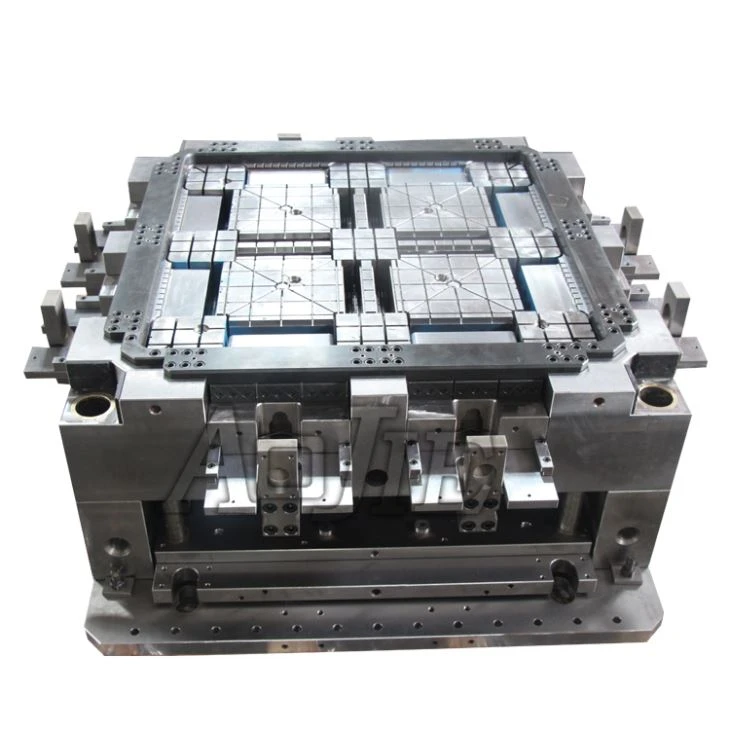
Different Types of Plastic Pallet Moulds and Their Specific Storage Considerations
We offer a variety of plastic pallet moulds, including New Style Pallet Plastic Injection Mould, Big Plastic Pallet Mould, Pallet Plastic Injection Mould, and Large Pallet Plastic Injection Mould. Each type may have specific storage requirements.
New style pallet moulds often have more complex designs and finer details. They are more susceptible to damage from dust and scratches. So, extra care should be taken in cleaning and protecting them. For big and large plastic pallet moulds, due to their size and weight, the selection of storage facilities and support structures is more critical. Adequate floor space and strong support are necessary to ensure their stability during storage.
In conclusion, proper storage of plastic pallet moulds is a comprehensive process that involves cleaning, selecting the right environment, positioning, protecting, and monitoring. By following these guidelines, you can extend the lifespan of your moulds, reduce maintenance costs, and ensure high - quality production in the future.
If you are interested in our Plastic Pallet Mould products or have any questions about mould storage and other related issues, feel free to contact us for a pre - purchase discussion. We are here to provide you with professional solutions and high - quality products.
References
- "Plastic Mould Technology Handbook"
- "Best Practices in Mould Storage and Maintenance"
- Industry research reports on plastic injection moulds