

Installing a plastic meat crate mould is a crucial process that requires careful planning, precision, and adherence to safety standards. As a leading supplier of plastic meat crate moulds, we understand the significance of a successful installation to ensure optimal performance and longevity of the mould. In this blog post, we will guide you through the step-by-step process of installing a plastic meat crate mould, providing valuable insights and tips along the way.
Pre-Installation Preparation
Before you begin the installation process, it is essential to conduct thorough preparation to ensure a smooth and efficient installation. Here are the key steps to follow:
1. Review the Mould Design and Specifications
Carefully review the mould design and specifications provided by our team. Familiarize yourself with the dimensions, features, and requirements of the mould to ensure that it is compatible with your injection moulding machine and production needs.
2. Inspect the Mould and Components
Inspect the mould and its components for any damage or defects. Check for cracks, scratches, or misalignments that may affect the performance of the mould. If any issues are detected, contact our technical support team for assistance.
3. Clean the Mould and Injection Moulding Machine
Thoroughly clean the mould and the injection moulding machine to remove any dirt, debris, or contaminants. Use a suitable cleaning agent and follow the manufacturer's instructions for cleaning and maintenance.
4. Prepare the Installation Area
Ensure that the installation area is clean, dry, and well-ventilated. Clear any obstacles or clutter that may interfere with the installation process. Make sure that the injection moulding machine is properly positioned and secured.
5. Gather the Necessary Tools and Equipment
Collect all the tools and equipment required for the installation, including wrenches, screwdrivers, hoists, and lifting devices. Ensure that the tools are in good condition and suitable for the task.

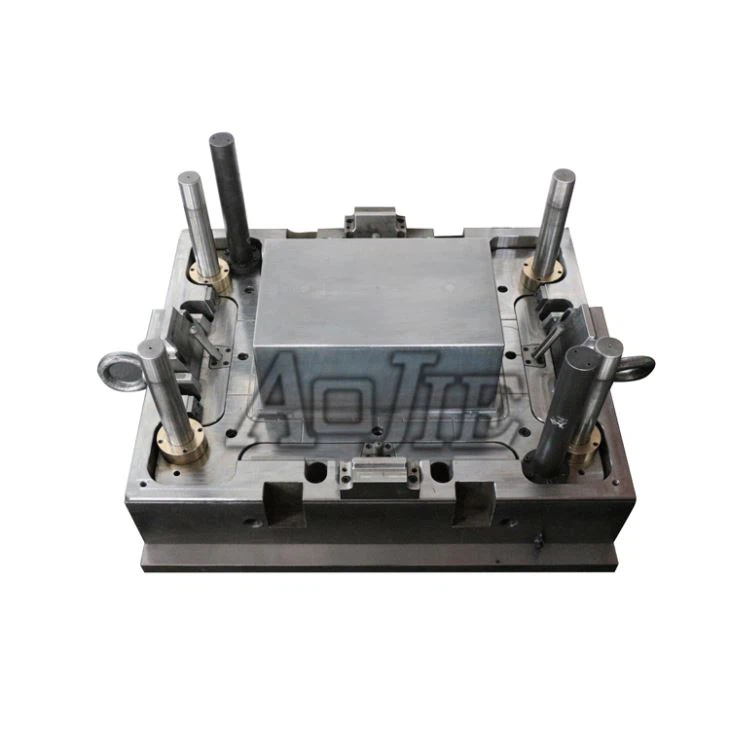
Installation Process
Once you have completed the pre-installation preparation, you can proceed with the installation process. Here are the step-by-step instructions:
1. Mount the Mould on the Injection Moulding Machine
Use a hoist or lifting device to carefully lift the mould and position it on the injection moulding machine. Align the mould with the mounting holes on the machine and secure it using the appropriate bolts and nuts. Make sure that the mould is properly centered and leveled.
2. Connect the Cooling and Heating Systems
Connect the cooling and heating systems to the mould according to the manufacturer's instructions. Ensure that the connections are tight and leak-free. The cooling system is essential for controlling the temperature of the mould and ensuring proper cooling of the plastic during the injection moulding process. The heating system is used to preheat the mould and maintain the desired temperature.
3. Install the Ejector System
Install the ejector system on the mould to facilitate the removal of the plastic meat crates from the mould. The ejector system typically consists of ejector pins, ejector plates, and ejector rods. Make sure that the ejector system is properly aligned and adjusted to ensure smooth and efficient ejection of the parts.
4. Connect the Hydraulic and Electrical Systems
Connect the hydraulic and electrical systems to the injection moulding machine and the mould. The hydraulic system is responsible for providing the necessary pressure and force for the injection moulding process, while the electrical system controls the operation of the machine and the mould. Ensure that the connections are secure and properly grounded.
5. Test the Mould
Before starting production, it is important to test the mould to ensure that it is functioning properly. Conduct a test run of the injection moulding machine and check for any leaks, malfunctions, or other issues. Make any necessary adjustments or repairs before proceeding with full-scale production.
Post-Installation Checks and Maintenance
After the installation is complete, it is important to perform post-installation checks and maintenance to ensure the long-term performance and reliability of the mould. Here are the key steps to follow:
1. Conduct a Final Inspection
Perform a final inspection of the mould and the injection moulding machine to ensure that everything is in good working condition. Check for any signs of damage, wear, or misalignment. Make any necessary adjustments or repairs before starting production.
2. Train the Operators
Provide training to the operators on how to operate the injection moulding machine and the mould safely and efficiently. Ensure that they are familiar with the operating procedures, safety guidelines, and maintenance requirements of the equipment.
3. Establish a Maintenance Schedule
Develop a maintenance schedule for the mould and the injection moulding machine to ensure regular inspection, cleaning, and lubrication. Follow the manufacturer's recommendations for maintenance and servicing to prevent breakdowns and extend the lifespan of the equipment.
4. Monitor the Performance
Monitor the performance of the mould and the injection moulding machine during production. Keep track of the production output, quality, and efficiency. Identify any issues or trends that may require attention and take appropriate action to address them.
Conclusion
Installing a plastic meat crate mould is a complex process that requires careful planning, precision, and attention to detail. By following the steps outlined in this blog post, you can ensure a successful installation and optimize the performance of the mould. As a leading supplier of Plastic Food Crate Mould, Plastic Stackable Mould, and Goods Crate Moulds, we are committed to providing high-quality products and excellent customer service. If you have any questions or need further assistance with the installation of your plastic meat crate mould, please do not hesitate to contact us. We look forward to working with you to meet your moulding needs.
References
- Injection Moulding Handbook, by Dominik Bogdanski
- Plastic Mould Design and Manufacturing, by John Doe