

Hey there! As a supplier of Plastic Box Mould, I've seen my fair share of moulds in all sorts of conditions. One of the most crucial things to keep in mind when it comes to these plastic box moulds is proper cleaning. A well - cleaned mould not only ensures the quality of the plastic boxes produced but also extends the lifespan of the mould itself. So, let's dive into how to clean a plastic box mould.
Why Cleaning is Important
First off, why should you bother cleaning your plastic box mould? Well, over time, residues from the plastic materials, such as polymers and additives, can build up on the surface of the mould. This build - up can cause defects in the plastic boxes, like rough surfaces or inconsistent shapes. Also, if there's any moisture or debris left in the mould, it can lead to corrosion, which can shorten the life of the mould. By cleaning regularly, you can save money in the long run by reducing the need for frequent replacements.
Pre - Cleaning Checks
Before you start the actual cleaning process, it's important to do a few checks. Take a good look at the mould and identify any areas that seem to have heavy build - up or damage. You should also make sure that the mould is completely cooled down. If you try to clean a hot mould, it can be dangerous, and the cleaning agents might not work as effectively.
Tools and Materials Needed
To clean a plastic box mould, you'll need a few basic tools and materials. Here are some of them:
- Soft - bristled brushes: These are great for gently scrubbing the surface of the mould without scratching it. You can find different sizes depending on the details of your mould.
- Cleaning agents: There are various cleaning agents available in the market. Some are specifically designed for plastic mould cleaning. Make sure to choose one that's suitable for the type of plastic you're using.
- Microfiber cloths: These are perfect for wiping down the mould after cleaning. They're soft and absorbent, and won't leave any lint on the mould.
- Safety gear: This includes gloves and goggles. Cleaning agents can be harsh, so it's important to protect your hands and eyes.
Step - by - Step Cleaning Process
Step 1: Remove Loose Debris
Use a soft - bristled brush to gently remove any loose debris, like plastic shavings or dust, from the surface of the mould. Start from the edges and work your way towards the centre. Be careful not to push the debris into any small crevices or holes in the mould.
Step 2: Apply the Cleaning Agent
Put on your gloves and goggles, and then apply the cleaning agent to the surface of the mould. You can either spray it on or use a cloth to apply it. Make sure to cover all areas, especially those with heavy build - up. Let the cleaning agent sit for a few minutes, as this will help it break down the residues.
Step 3: Scrub the Mould
After the cleaning agent has had time to work, use the soft - bristled brush to scrub the mould. Use gentle circular motions, and pay extra attention to the areas with stubborn stains. If there are any small holes or intricate details in the mould, you can use a smaller brush to get into those areas.
Step 4: Rinse the Mould
Once you've finished scrubbing, rinse the mould thoroughly with clean water. Make sure to remove all the cleaning agent and any loosened debris. You can use a hose or a bucket of water to do this.
Step 5: Dry the Mould
Use a microfiber cloth to dry the mould completely. Make sure there's no moisture left, as this can lead to corrosion. You can also use compressed air to blow out any water from small holes or crevices.
Special Considerations for Different Types of Moulds
Plastic Food Container Mould
When cleaning a Plastic Food Container Mould, it's crucial to use food - grade cleaning agents. This ensures that the plastic containers produced are safe for food contact. Also, make sure to rinse the mould extra thoroughly to remove any traces of the cleaning agent.
Plastic Containing Box Mould
Plastic Containing Box Mould may have different shapes and sizes. For moulds with complex designs, you might need to use smaller brushes to clean all the nooks and crannies. Pay attention to any areas where the plastic might have a tendency to stick, and clean them more carefully.
Plastic Box Mold
The Plastic Box Mold can vary in terms of the plastic material used. Different plastics might require different cleaning agents. For example, if you're working with a high - temperature plastic, you may need a more powerful cleaning agent to remove the residues.
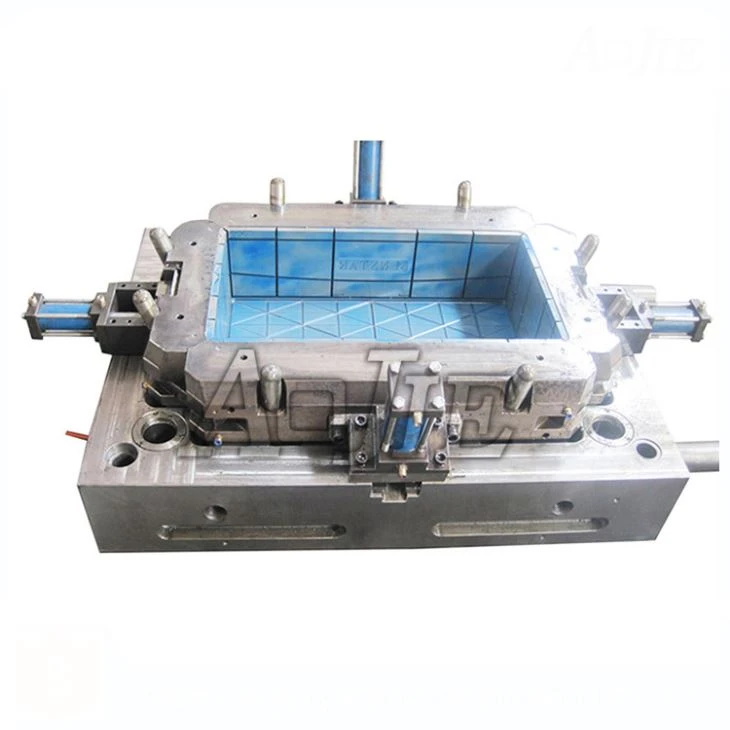

Plastic Toolbox Mould
Plastic Toolbox Mould often has a more robust structure. However, they can also accumulate more dirt and debris due to the nature of the plastic boxes they produce. You can use a slightly stiffer brush for these moulds, but still be careful not to scratch the surface.
Plastic Tooling Cabinet Moulds
Plastic Tooling Cabinet Moulds are usually larger and may have more complex designs. You may need to break the cleaning process into sections to ensure thorough cleaning. Also, consider using a cleaning solution in a larger container to soak parts of the mould if necessary.
Tips for Maintaining a Clean Mould
- Clean the mould after each use: This prevents the build - up of residues and makes the cleaning process easier.
- Store the mould properly: Keep it in a dry, clean place to avoid dust and moisture.
- Inspect the mould regularly: Look for any signs of wear, damage, or corrosion, and address them promptly.
Conclusion
Properly cleaning a plastic box mould is essential for producing high - quality plastic boxes and ensuring the longevity of the mould. By following the steps and tips outlined in this blog, you can keep your mould in great shape and avoid any unnecessary issues.
If you're in the market for a new plastic box mould, or if you have any questions about mould cleaning or maintenance, don't hesitate to reach out. We're here to help you find the best solutions for your plastic box production needs.
References
- General knowledge from years of experience in the plastic box mould industry
- Manufacturer's guidelines for plastic box moulds and cleaning agents