

Can plastic stackable moulds be recycled? This is a question that I, as a plastic stackable mould supplier, get asked quite often. And it's a valid one, considering the growing concern about environmental sustainability and the push towards a circular economy.
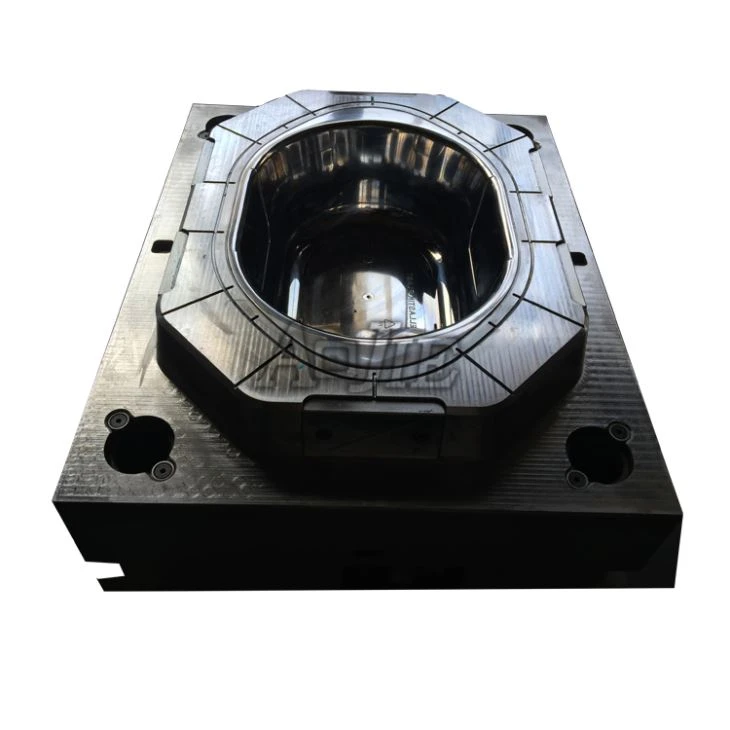
Let's start by understanding what plastic stackable moulds are. These are moulds used to create plastic products that can be stacked on top of each other for easy storage and transportation. They're commonly used in industries like food and beverage, agriculture, and logistics. For example, Plastic Crate Injection Mould is used to make crates that can hold various items, Plastic Bread Crate Moulds are specifically designed for bread crates, and Fruits Crate Plastic Mould is used for fruit crates.
Now, the big question: can they be recycled? The short answer is yes, but it's a bit more complicated than that.
The Basics of Plastic Recycling
Plastic recycling works by collecting used plastic items, sorting them by type, cleaning them, and then melting them down to create new plastic products. There are different types of plastics, and each has its own recycling process. The most common types of plastics used in stackable moulds are polyethylene (PE) and polypropylene (PP).
PE and PP are thermoplastics, which means they can be melted and reshaped multiple times without losing their chemical properties. This makes them ideal for recycling. When these plastics are recycled, they can be turned into a variety of new products, such as new plastic crates, plastic lumber, or even clothing fibers.

Challenges in Recycling Plastic Stackable Moulds
However, there are some challenges when it comes to recycling plastic stackable moulds. One of the main issues is contamination. Stackable moulds are often used in industrial settings, where they can come into contact with various substances like dirt, grease, and chemicals. These contaminants can make it difficult to recycle the plastic, as they need to be removed before the plastic can be melted down.
Another challenge is the size and shape of the moulds. Stackable moulds are usually large and bulky, which can make them difficult to transport and process in recycling facilities. Additionally, some moulds may have complex designs or inserts that need to be removed before recycling.
Solutions to the Recycling Challenges
Despite these challenges, there are solutions that can make recycling plastic stackable moulds more feasible. One solution is to implement proper cleaning and maintenance procedures. By keeping the moulds clean and free of contaminants, the recycling process can be made much easier.
Another solution is to design the moulds with recycling in mind. For example, using a single type of plastic in the mould can make it easier to recycle. Additionally, designing the moulds to be easily disassembled can make it easier to remove any inserts or components before recycling.
The Benefits of Recycling Plastic Stackable Moulds
Recycling plastic stackable moulds has several benefits. First and foremost, it helps to reduce the amount of plastic waste that ends up in landfills. This is important for the environment, as plastic waste can take hundreds of years to decompose.
Recycling also helps to conserve natural resources. By using recycled plastic, we can reduce the need for new plastic production, which requires a significant amount of energy and raw materials.
Finally, recycling plastic stackable moulds can be cost-effective. In some cases, it may be cheaper to use recycled plastic than to purchase new plastic. This can help businesses save money in the long run.
How We're Helping
As a plastic stackable mould supplier, we're committed to promoting sustainable practices. We work with our customers to ensure that the moulds we supply are designed with recycling in mind. We also provide guidance on proper cleaning and maintenance procedures to make the recycling process as easy as possible.
In addition, we're constantly exploring new ways to improve the recyclability of our products. We're researching new materials and manufacturing processes that can make our moulds more environmentally friendly.
Conclusion
So, can plastic stackable moulds be recycled? The answer is yes, but it requires a bit of effort. By addressing the challenges and implementing the solutions, we can make recycling plastic stackable moulds a viable option.
If you're interested in purchasing plastic stackable moulds, I encourage you to contact us to discuss your needs. We can provide you with high-quality moulds that are designed for easy recycling. Let's work together to create a more sustainable future.
References
- American Chemistry Council. (n.d.). Plastic Recycling. Retrieved from [Website URL]
- European Plastics Converters. (n.d.). Recycling of Plastics. Retrieved from [Website URL]
- United Nations Environment Programme. (2018). Single-Use Plastics: A Roadmap for Sustainability. Retrieved from [Website URL]